
Procurement guide
Water Bottling Technical Bid Evaluation Checklist
Check whether the offered water bottling equipment meets your actual requirements before comparing the final price.

Direct answer
Use one RFQ revision and evaluate each requirement against the supplier response and its supporting document. Record complies, conditional, deviates or unanswered. A conditional response is not an approved result, and a lower price does not resolve a mandatory technical gap.
Buyer intent
What this page should help you decide
Compare, verify and shortlist water bottling equipment suppliers before negotiation.
Separate confirmed capability and scope from assumptions, exclusions and presentation claims.
A scored shortlist supported by legal, technical, manufacturing, FAT and service evidence.
Technical bid review
Four checks that turn a supplier claim into a reviewable response
This is a buyer-side review method, not engineering approval or an Allot Tech performance guarantee. Assign qualified reviewers and project-specific acceptance criteria before marking requirements complete.
| Requirement group | Evidence to request | Keep the item open when |
|---|---|---|
| Product and container fit | Match the water report, bottle or preform, neck, cap, label and pack references to the offered model and change parts. | The response cites a similar container but does not confirm your drawings, samples or required formats. |
| Output on one agreed basis | Record the reference bottle, saleable output at a named handover point, operating assumptions and proposed test duration. | Only a machine nameplate speed is given, or the bottle, losses, downstream limit or measurement point differs. |
| Site, utilities and interfaces | Request revision-controlled layout, utility demand and connection schedules, plus owners for bottle transfer and control interfaces. | Demand is not reconciled with available utilities, or an interface between suppliers has no responsible party. |
| Acceptance and document evidence | Map each requirement to a drawing, declaration, inspection or test record; define FAT criteria, materials, reviewers and unresolved-item handling. | A catalog or past video is offered instead of evidence for this configuration, or factory testing is treated as proof of site performance. |
Worked example: a 500 ml rating does not answer a 1.5 L requirement
If the offer states output for a 500 ml bottle while your RFQ requires 1.5 L, mark that output requirement unanswered until the supplier provides the matching basis. Do not convert the rating by bottle volume or mark it compliant from the brochure. Obtain a written response and proposed verification method for the required format, then record the review decision and any conditions.
- Issue the same requirement IDs, RFQ revision and attachment list to all bidders; identify mandatory requirements before comparing scores.
- For each row retain the offered model, response clause, evidence revision, review status, clarification owner and due date.
- Close or formally disposition critical deviations through the responsible reviewer; link the accepted technical revision to the commercial offer without erasing earlier answers.
Procurement workflow
How to move from research to an approved decision
Use the following checkpoints to turn the search for Water Bottling Technical Bid Evaluation Checklist into a controlled, comparable supplier decision.
Before requesting a quotation
Send the same controlled brief for Water Bottling Technical Bid Evaluation Checklist to every candidate. Include the same product, container, output, utilities, standards, destination and Normalization so commercial totals can be normalized later.
What a useful supplier response contains
Ask for legal identity, manufacturing source, relevant project evidence, a compliance schedule and the documents behind each claimed capability. Evidence for Technical Compliance and Supplier Evidence should be dated and attributable, not a generic presentation.
Common comparison traps
A lower total may omit change parts, commissioning, FAT materials, spare parts, export packing or destination services. Compare exceptions line by line and keep unverified claims separate from confirmed compliance.
Decision gate before shortlist
Shortlist only after technical fit, evidence quality, scope completeness, schedule credibility and Issue Register have separate scores. Any critical unknown should remain an open action rather than receiving an optimistic score.
What to confirm
Record each item with its source, owner, current status and approval point.
Normalization
What evidence confirms Normalization, who owns it, and when must it be approved?
Technical Compliance
What evidence confirms Technical Compliance, who owns it, and when must it be approved?
Supplier Evidence
What evidence confirms Supplier Evidence, who owns it, and when must it be approved?
Issue Register
What evidence confirms Issue Register, who owns it, and when must it be approved?
Buyer decision record
| Item | Status | Owner | Evidence |
|---|---|---|---|
| Normalization | Open | To assign | To request |
| Technical Compliance | Open | To assign | To request |
| Supplier Evidence | Open | To assign | To request |
| Issue Register | Open | To assign | To request |
Questions to ask the supplier
- What evidence confirms Normalization, who owns it, and when must it be approved?
- What evidence confirms Technical Compliance, who owns it, and when must it be approved?
- What evidence confirms Supplier Evidence, who owns it, and when must it be approved?
- What evidence confirms Issue Register, who owns it, and when must it be approved?
Equipment scope
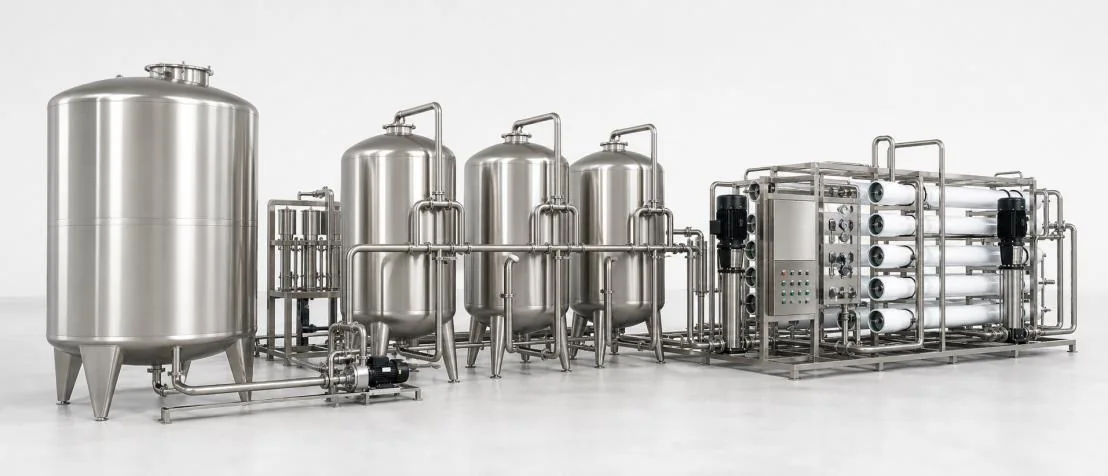
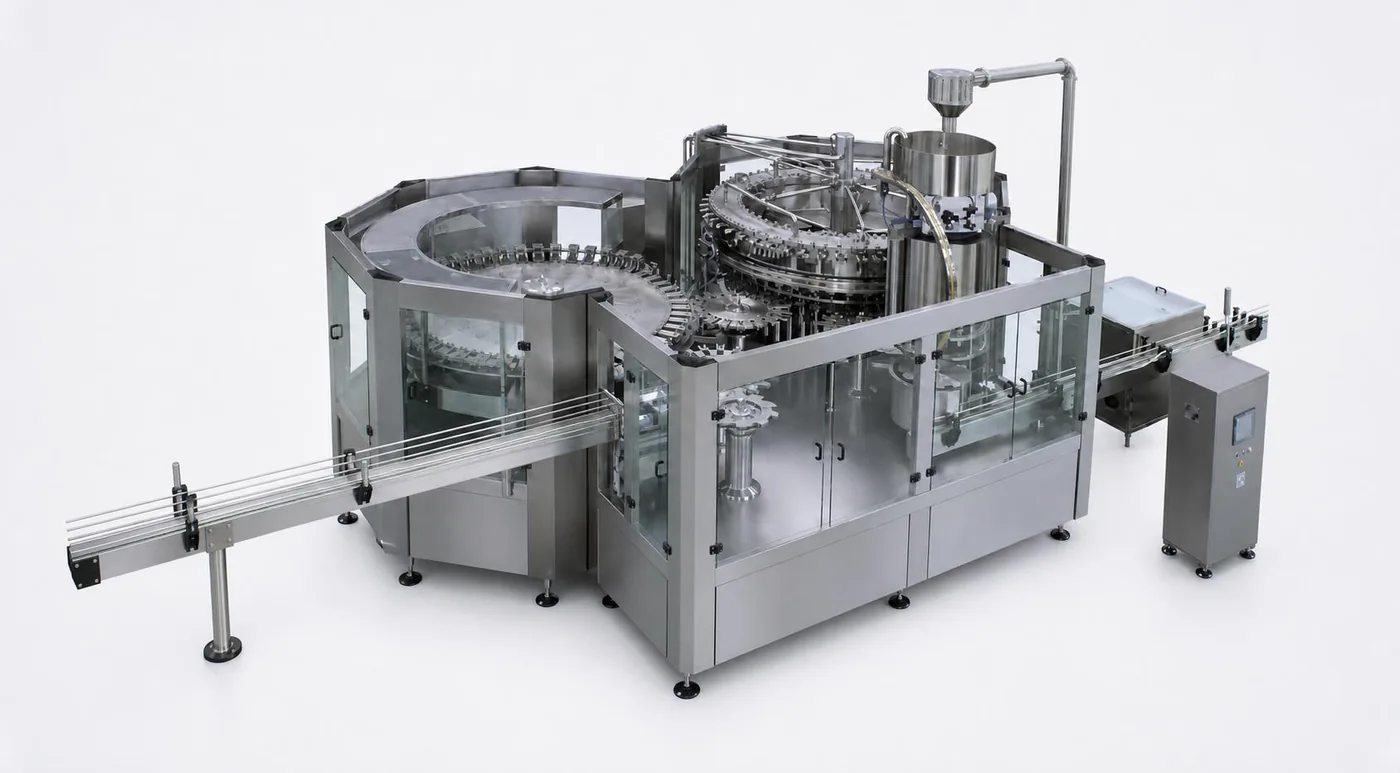
Representative equipment reference. Final models and configuration are project-specific.
Buyer FAQ
Frequently asked questions about Water Bottling Technical Bid Evaluation Checklist
What information is needed before requesting a quotation for Water Bottling Technical Bid Evaluation Checklist?
Start with the finished product, container and closure data, target output with a reference volume, required equipment scope, factory conditions, utilities, destination and schedule. For this topic, confirm Normalization and identify every unknown rather than allowing an unstated assumption.
How should buyers compare supplier responses for Water Bottling Technical Bid Evaluation Checklist?
Issue the same revision to each supplier and compare compliance, deviations, inclusions, exclusions, interfaces, evidence, schedule and total commercial exposure. Normalize Technical Compliance; a headline price or capacity cannot be compared fairly when the underlying scope differs.
What evidence should support a Water Bottling Technical Bid Evaluation Checklist proposal?
Request evidence that matches the offered configuration, such as drawings, calculations, component schedules, relevant project records, inspection and FAT documents, certificates where applicable, and a written service boundary. Give Supplier Evidence an owner and approval status.
When is a Water Bottling Technical Bid Evaluation Checklist quotation ready for contract review?
It is ready only when the offered configuration, output basis, utilities, interfaces, documentation, acceptance method and service scope are project-specific and internally consistent. Catalog values remain reference information; resolve Normalization, Technical Compliance and Supplier Evidence in the controlled quotation set.
Related buyer guides
Next step