
Bottle rinsing, filling and capping
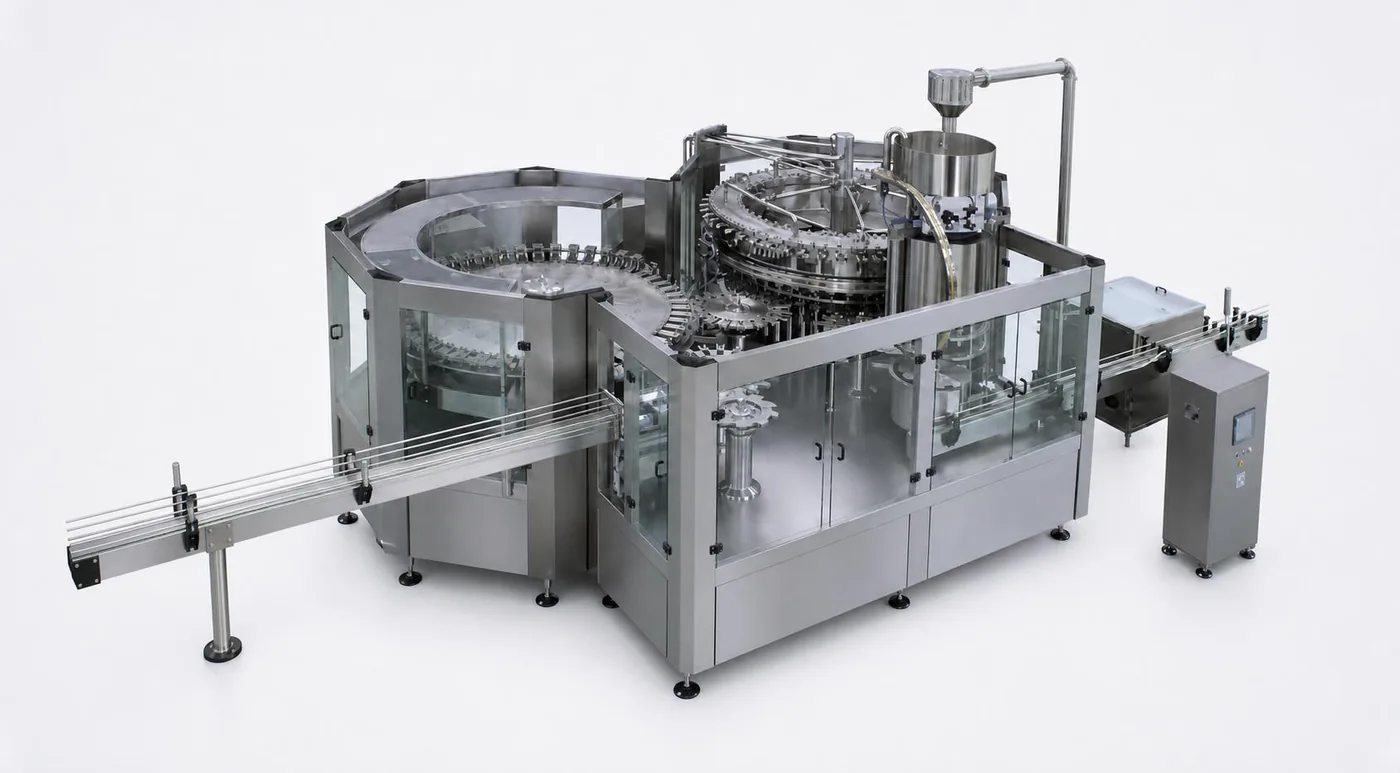
3-in-1 Water Filling Machines for PET Bottles
Choosing a water filling machine starts with the bottle, closure and product—not the largest speed printed in a brochure. Allot Tech coordinates sourcing in China for PET bottled-water projects, with the equipment and service scope confirmed in your quotation.
Direct answer
A 3-in-1 monoblock combines bottle rinsing, filling and capping. It is one part of a bottling line, not a complete water plant. For the catalog's normal-pressure still-water machines, establish the bottle and cap drawings, water conditions and required accepted bottles per hour before comparing models.
Bottle rinsing, filling and capping
Four problems to resolve before choosing a filler
Use actual production samples and recorded test conditions. A general statement such as “adjustable for different bottles” does not define the parts, time or performance needed for your changeover.
| Your production problem | What to check on the machine | Evidence to request |
|---|---|---|
| Changing from 500 ml to 1.5 L | Check neck finish, support ring, bottle height and diameter, plus rinser grippers, star wheels, guides and capping parts. | Ask which settings and format parts change, who supplies them and how a trial with both bottles will be accepted. Do not assume every changeover is adjustment-only. |
| Good nameplate speed, low finished output | Record bottle-infeed gaps, cap-supply interruptions, downstream stops and rejected bottles separately. | Run an agreed timed test with the actual bottle and cap. Report machine speed, stops and acceptable bottles out; match the test boundary to the equipment being purchased. |
| Uneven fill levels or quantity complaints | Separate visible fill height from net contents. Bottle shape and manufacturing variation can affect the apparent level. | Agree a sampling method and quantity limits with the responsible quality team. Compare samples using a suitable verified measurement method; do not accept an unsupported universal ±1 ml claim. |
| Leaking or crooked caps | Check that the neck and closure specifications match and review the cap feeder, guides and capping tooling. | Agree seal-integrity and opening checks for representative samples under defined conditions. Have qualified staff investigate; increasing torque alone is not a validated fix. |
Build a testable machine inquiry
Send the packaging evidence first. Ask the supplier to identify confirmed capabilities, required options and unresolved assumptions before selecting a final monoblock.
- Provide bottle and cap drawings plus samples for every planned format; include neck finish, filled volume, dimensions, material and closure type.
- State still-water product conditions, target accepted bottles/hour, shifts and the available infeed, outfeed, utilities and cleaning arrangement.
- Define the factory acceptance test: materials, run duration, counting boundary, allowable rejects, fill and closure criteria, changeover trial and a record of exclusions.
Catalog reference: Allot Tech Beverage Bottling Catalog 2026, pages 9–10. XGF14-12-5 is listed at 6,000 BPH on a 500 ml basis. These are reference specifications, not an accepted-output guarantee; final configuration, availability and supply scope require project quotation confirmation.
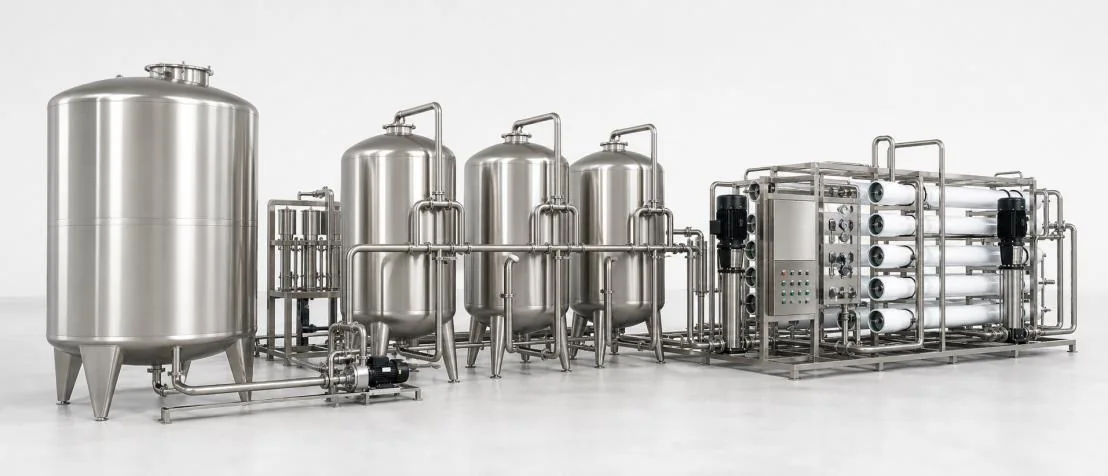
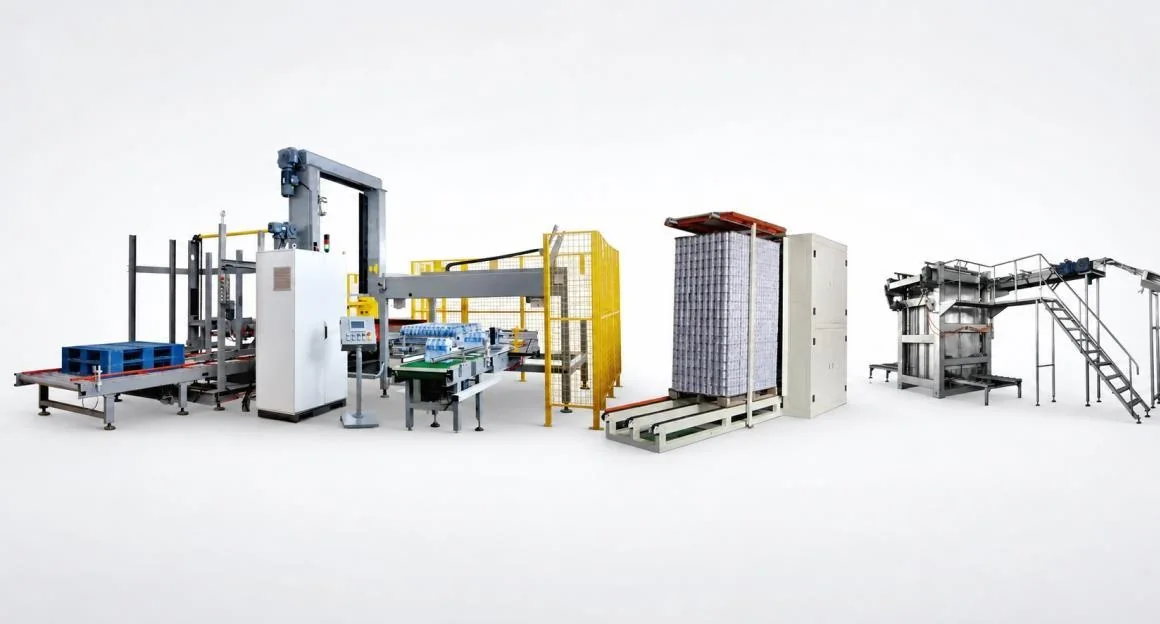
Equipment scope
Representative equipment reference. Final models and configuration are project-specific.
Water filling machine selection questions
Can one water filler also handle soda, juice or hot filling?
Do not infer this from a 3-in-1 layout. Carbonated, hot-fill and aseptic products require different process and packaging assessments. Tell the supplier the actual product, temperature and hygiene requirements; the catalog's still-water reference is not approval for these applications.
Does 6,000 bottles/hour apply to every bottle size?
No. The catalog lists XGF14-12-5 at 6,000 BPH on a 500 ml reference basis. A larger bottle's output must be confirmed for that format and product. Neither a linear volume conversion nor the filler rating establishes the finished line's guaranteed output.
Should every bottle have exactly the same visible fill height?
Appearance and net contents are different acceptance questions. Agree the fill-height requirement, if needed, separately from the measured quantity. A qualified quality team should define sampling, measurement and applicable product requirements before the equipment test.
What should a 3-in-1 quotation include?
Identify the rinsing, filling and capping functions and list cap feeding, conveyors, format parts, guarding, cleaning provisions and commissioning explicitly. Water treatment, bottle blowing, compressed air, labeling and packing are not automatically included. Compare separate inclusions and interfaces, not just the machine price.
Related buyer guides
Next step